Prices are estimates. How we get them
Water extraction, drying, and cleanup after floods, leaks, and backups serving Cedar Rapids, Marion, Hiawatha, and Robins. Local crew, honest quotes, fast response.
Call Get a free quoteLocal pros handle water damage restoration across Cedar Rapids and the surrounding Linn County area. From older neighborhoods like Czech Village and NewBo to newer homes in Time Check and Marion, our local crew does the job start to finish.
Cedar Rapids sits along the Cedar River, with flood-prone lowlands and heavy clay soil. The area sees river flooding, derecho-strength windstorms, heavy spring rain, and hard freezes, and that weather is hard on basements and homes, which is why fast drying matters so much here.
Local pros give written quotes before work starts, and you can ask each one about insurance and cleanup.
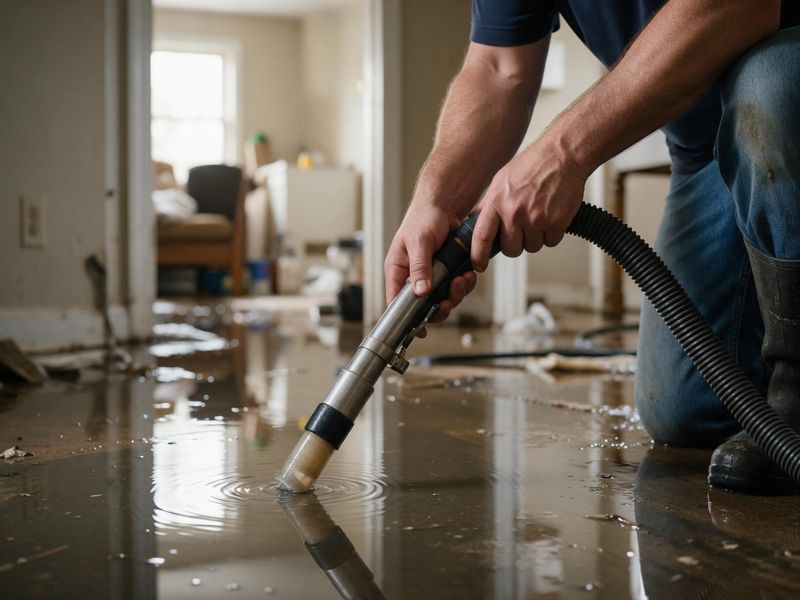
Fast removal of standing water from basements, floors, and carpets.
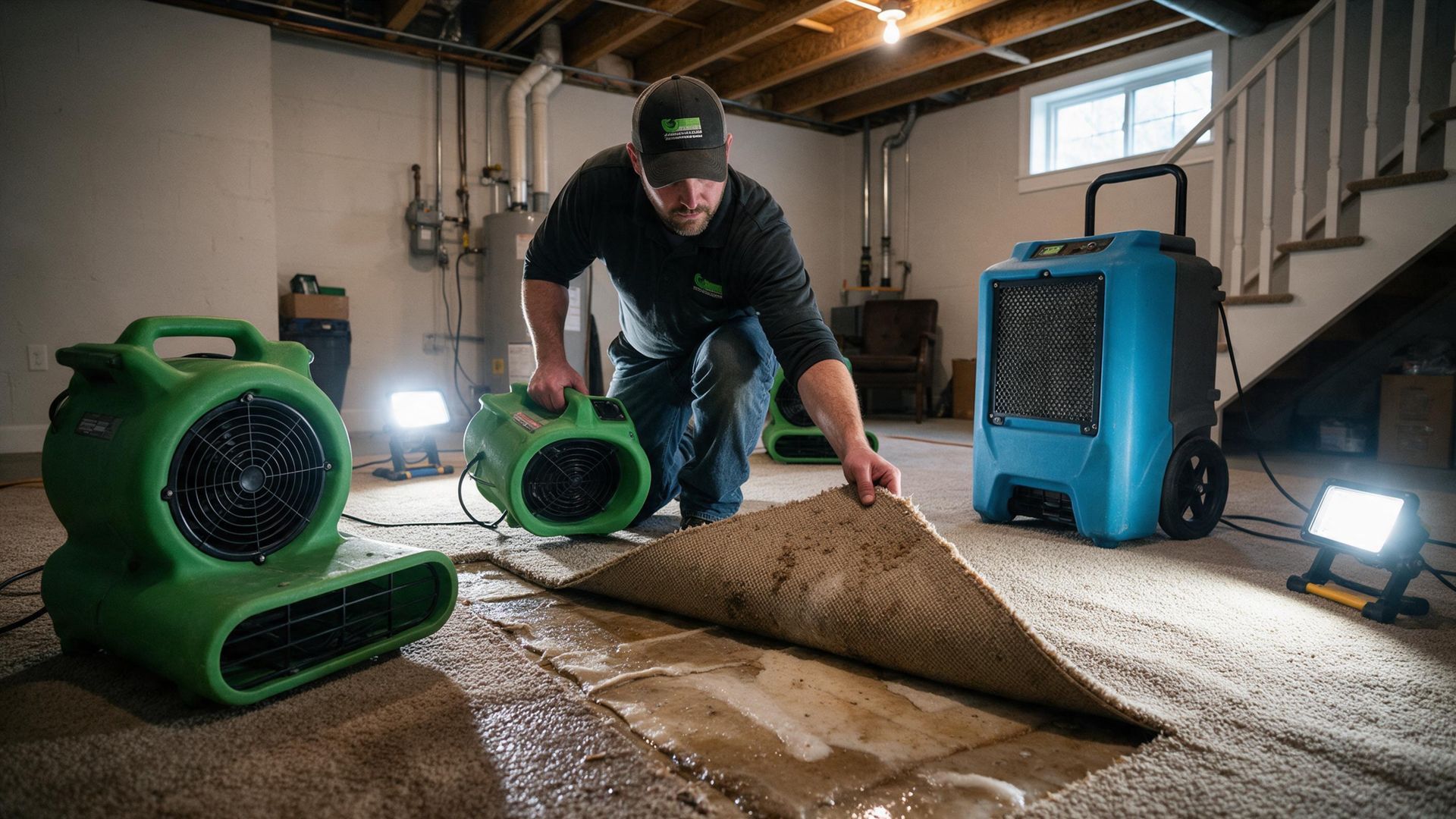
Commercial air movers and dehumidifiers to dry walls, floors, and framing.
Cleanup after heavy rain, river flooding, and sump pump failures.
Drying and repair after frozen or broken pipes.
Safe cleanup and sanitizing after sewage backs up into the home.
Stopping mold before it spreads and removing it safely when it's found.
Water damage is stressful, and every hour matters. Whether it's a flooded basement after a storm, a burst pipe, or a sewer backup, fast extraction and drying help limit damage and prevent mold. Local pros help homeowners across Linn County, from Czech Village and NewBo to Wellington Heights and nearby towns like Marion and Hiawatha.
Local pros remove standing water, dry walls and floors with commercial equipment, and document everything for your insurance claim. A local pro will explain what can be saved and what needs to be removed.
When you contact us, a local pro will ask a few questions and get equipment moving as quickly as possible.
Flooded basements after heavy rain and river flooding.
Burst and frozen pipes.
Sump pump failures.
Water heater and appliance leaks.
Sewer and drain backups.
Roof and window leaks after storms.
First, local pros stop the source if it's still active and remove standing water. Next, local pros take moisture readings and set up air movers and dehumidifiers. Local pros check progress daily until materials are dry. Then local pros remove damaged materials, clean and sanitize, and help plan repairs.
Local pros take photos and readings at every step, which helps your insurance adjuster understand the loss.
Cedar Rapids sits along the Cedar River, with flood-prone lowlands and heavy clay soil. The area sees river flooding, derecho-strength windstorms, heavy spring rain, and hard freezes. Those conditions make basement water and frozen pipes common problems here. Clay soil holds water against foundations, and heavy storms can overwhelm drains and sump pumps.
Testing your sump pump, adding a battery backup, and keeping gutters clear are simple steps that help prevent water damage.
Look for a company that responds quickly, uses moisture meters and commercial drying equipment, and documents the job for insurance. Ask how they handle mold and sewage safely.
That's how local pros work on every job, from a wet basement in Kenwood Park to a burst pipe near Robins.
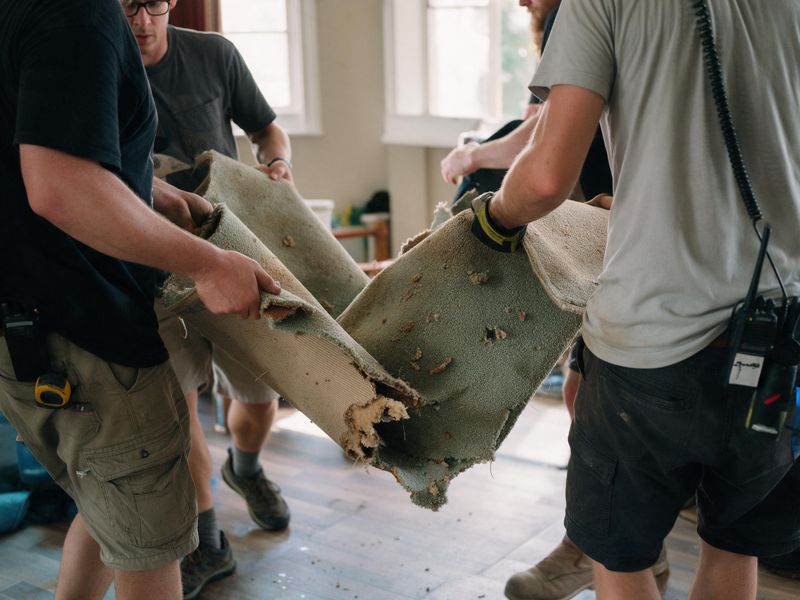

Water damage cleanup in the Cedar Rapids area often costs about $1,500 to $5,000 for a typical basement, depending on how much water, how long it sat, and what needs to be removed. Larger losses and sewage cleanup cost more. Many losses are covered by homeowners insurance, and a local pro can document the damage for your claim.
As fast as possible. Mold can begin growing within 24 to 48 hours, so quick drying matters.
Sudden events like burst pipes are often covered. Flooding from outside often needs separate flood insurance. Check your policy.
Small spills, maybe. Soaked walls, carpet pads, and framing usually need commercial equipment and moisture readings.
Yes. Sewage contains bacteria, so cleanup should be done with proper protection and sanitizing.
Most jobs take about 3 to 5 days of drying, depending on materials and how wet they got.
Yes. Local pros take photos and moisture readings and provide documentation for your adjuster.
Before entering a flooded room, consider whether the water may have reached outlets, appliances, or a breaker panel. Do not step into standing water if electrical equipment may be energized. If you can reach the main shutoff safely, turning off power to the affected area may reduce risk. When in doubt, stay out and contact the utility or a qualified electrician.
Treat water from a drain, toilet overflow, or outside flooding as potentially contaminated. Keep children and pets away, and avoid carrying wet items through clean parts of the home. Gloves and sturdy footwear can reduce contact with dirty water and sharp debris, but protective gear does not make unsafe conditions safe. Tell the restoration crew what the water came from, if you know.
Once the area is safe to enter, take photos or video before moving belongings or removing materials. Include wide views of each affected room and close-ups of water lines, damaged finishes, and belongings. Make a simple list of affected items and note when you first noticed the problem. These records can help you explain the loss to your insurer and compare the initial condition with later work.
Move small, dry valuables and important papers to a safe place if you can do so without crossing contaminated water or lifting heavy items. Do not force wet drawers, swollen doors, or fragile furniture. Photograph items before moving them, and keep damaged belongings until your insurer tells you whether they need to inspect them. Ask where wet contents should be stored so they do not block drying equipment.
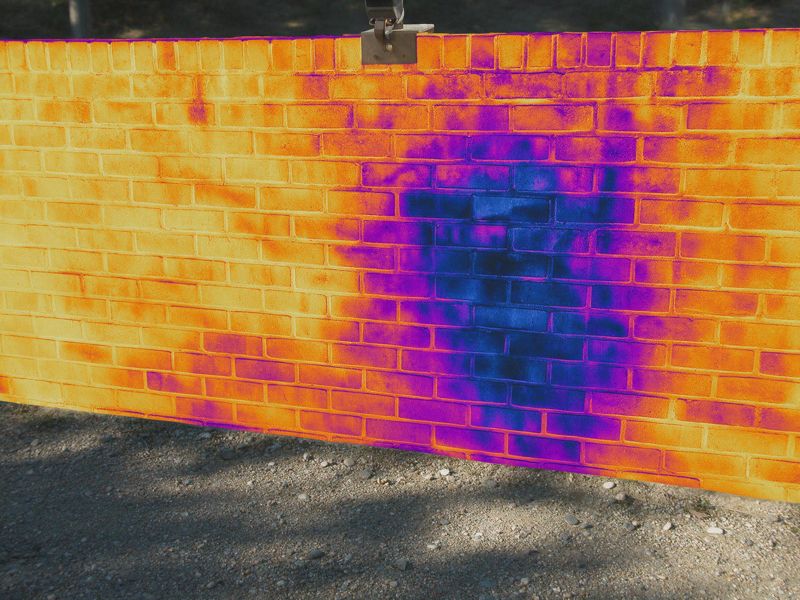
Water can travel farther than the visible stain. It may move under flooring, behind baseboards, into wall cavities, or beneath cabinets. A surface that feels dry does not confirm that the materials below it are dry. Ask what areas will be checked and how moisture readings will be used to decide whether drying is complete. The right approach depends on the building materials and how long they were wet.
Different materials respond differently to water. Solid wood may sometimes be dried and evaluated, while particleboard and some laminate flooring can swell or lose strength. Wet insulation may need removal if it cannot be dried in place. A restoration assessment should explain which materials can reasonably be dried, which need removal, and why, rather than treating every wet surface the same way.
Drying equipment changes indoor temperature, airflow, and humidity. Keep air movers and dehumidifiers plugged in and positioned as directed, and do not switch them off just because the room feels uncomfortable. Ask how the equipment will be monitored and what access the crew needs for readings. If noise, heat, or a blocked walkway creates a problem, raise it before moving equipment yourself.
Repairs may involve more than replacing the visible floor or drywall. Before approving work, ask whether the proposed scope includes removing damaged material, cleaning affected surfaces, and checking nearby areas for moisture. If repairs are handled separately from drying, clarify who will explain the handoff and what documentation you will receive. A written scope makes it easier to see what is included and what remains undecided.
When reviewing estimates, compare the work described, not just the final figure. Check whether each quote identifies the affected rooms, planned removal, drying equipment, cleaning steps, and any work that is excluded. If one estimate is brief, ask for a clearer written scope before deciding. A low initial amount may not describe the same work as a more detailed proposal.
Ask how added work will be handled if more damage becomes visible after materials are opened. The company should explain how it will document the new condition and get your approval before changing the scope, where practical. Keep copies of estimates, moisture records, photos, and messages together. Clear records can help you track decisions and discuss the loss with your insurance adjuster.
Do not assume that an insurer’s review and a restoration estimate answer the same question. The estimate describes proposed work; coverage depends on your policy and the circumstances of the loss. Ask your insurer what information it needs and whether it wants to inspect before damaged materials are removed. If urgent work is needed to limit further damage, document the condition and keep receipts for related expenses.
Ask who will be your point of contact, how access will be arranged, and what to do if you find new wet areas. Also confirm what preparation is expected from you, such as clearing a path to the work area or securing pets. These practical details can prevent delays and reduce misunderstandings while equipment is running and repairs are being planned.
Do not touch wet electrical equipment or walk through water that may be energized. If you can shut off power from a dry, safe location, do so; otherwise, leave the area and contact a qualified electrician or utility provider. Tell the restoration team about the electrical concern before anyone begins work.
Yes. Water from a supply line is different from water containing sewage, drain backup, or outdoor contaminants. The source affects what protective measures, cleaning, and material removal may be appropriate. If the source is uncertain, describe what you observed and ask the restoration professional how it will assess the affected area.
Touch and appearance alone are not reliable ways to check hidden moisture. A professional can take readings at multiple points and compare affected areas with suitable reference areas. Ask which materials were tested, where the readings were taken, and whether concealed spaces need further inspection before finishes are replaced.
Avoid making quick decisions before documenting the items and checking with your insurer. Whether something can be cleaned or should be discarded depends on its material, how long it was wet, and what the water contained. Keep contaminated or heavily damaged items away from clean areas, and ask how to handle them safely.
It depends on the water source, affected areas, electrical safety, and the amount of equipment and repair work involved. Ask the restoration professional whether rooms can be safely occupied and whether any areas should remain closed. If anyone in the household has health concerns, discuss those with a qualified medical professional.
Share the date and likely source of the water, photos taken before cleanup, a list of affected rooms and belongings, and copies of estimates or work records. Keep notes of calls and instructions. Ask your insurer whether it needs to inspect before materials are removed and what documentation it requires for the claim.
It depends on the flooring type, the material beneath it, how long it was wet, and whether the water was contaminated. Carpet may appear dry while padding or subfloor remains wet. Ask for an assessment of the layers below the surface and a clear explanation before deciding whether to clean, dry, or remove them.
Opening a wall, cabinet toe kick, or floor layer can reveal damage that was not visible during the first inspection. Ask how newly discovered conditions will be recorded, explained, and approved before additional work proceeds. Keep the revised scope and related photos with your original estimate and insurance documents.
Tell us what you need and where. We usually reply the same day.
Prefer to talk? Tap to call
No obligation and no pressure.
Cedar Rapids Water Restoration is an independent referral service that connects you with local water damage restoration pros.
Open this site on your phone

Cedar Rapids Water Restoration
cedarrapidswaterrestoration.us
Point your phone camera at the code